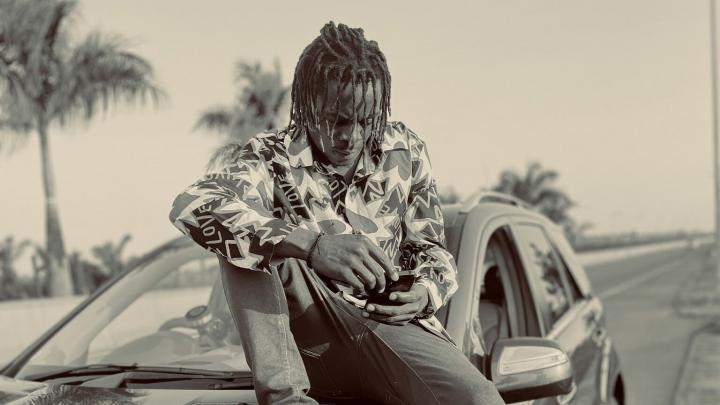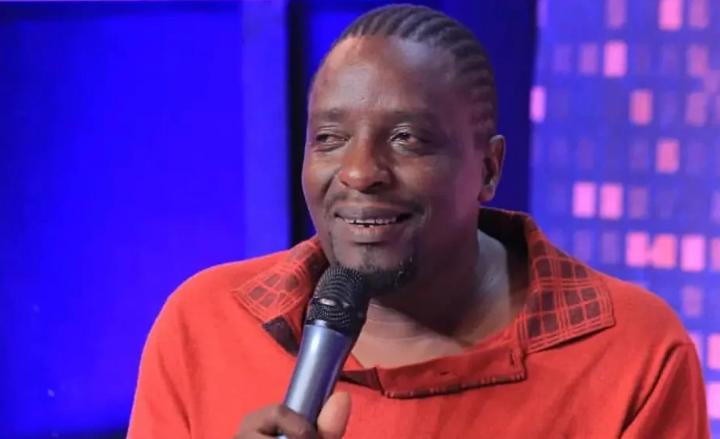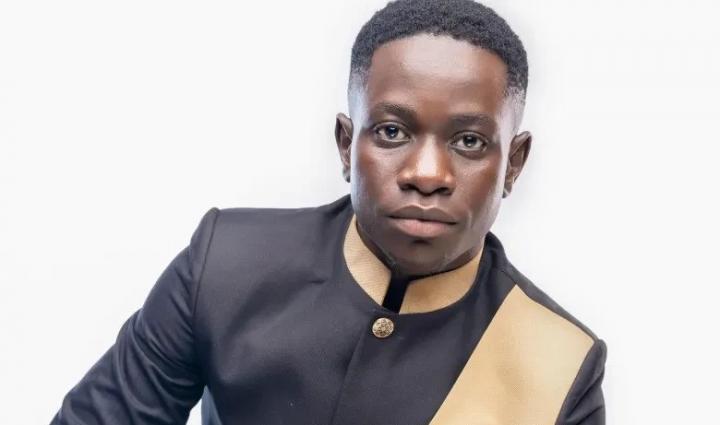
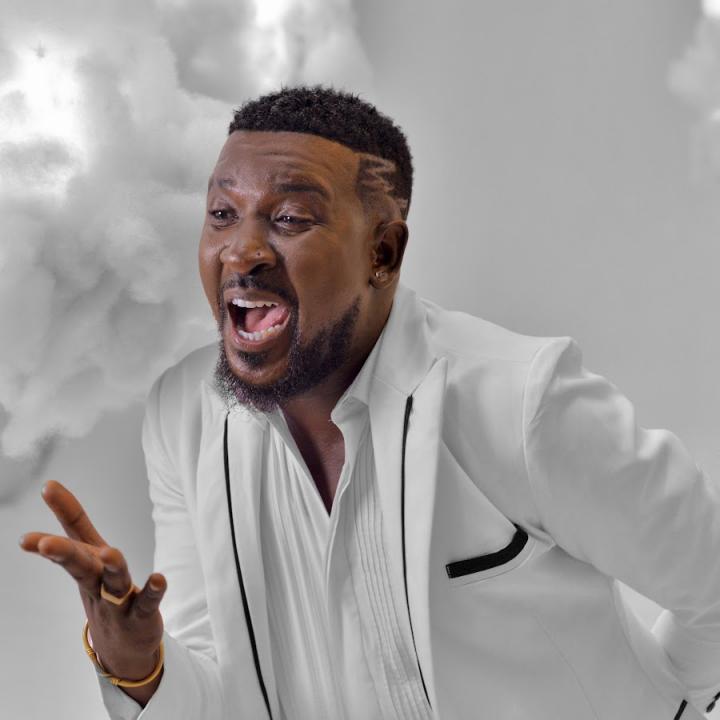
Ugandan musician Qute Kaye has spoken out strongly against vloggers and YouTube hosts who continue to feature veteran rapper Rocky Giant in interviews despite visible signs that he may be struggling with mental health challenges.
In recent days, several videos circulating on social media show Rocky Giant appearing disoriented during an interview with media personalities Frank Ntambi and Shalom. During the conversation, the rapper is seen mumbling disconnected statements and at one point attempts to confront one of the hosts, creating a tense moment that nearly escalates into a physical altercation on set.
The clips quickly went viral, sparking mixed reactions online. While some viewers expressed concern for the veteran rapper’s well-being, others treated the incident as entertainment, sharing the videos widely across different platforms.
However, Qute Kaye—who has previously opened up about his own mental health struggles—believes the situation is being mishandled by content creators who are prioritizing online engagement over the artist’s well-being.
Taking to TikTok, the singer criticized vloggers for what he described as exploiting Rocky Giant’s condition for views and online traffic.
“Why are we that evil? The reporters using Rocky Giant for interviews know very well that he is struggling with mental health issues. He has been addicted for many years; he needs to be taken to the hospital,” Qute Kaye said.
He added that turning such situations into viral content is harmful not only to the artist but also to society’s understanding of mental health.
“Those people who use him for views are just as sick. It’s not funny, stop it. These few likes and follows you’re hunting are damaging your souls,” he emphasized.
Qute Kaye further urged people close to Rocky Giant to intervene and protect him from further public exposure until he receives proper help. According to the singer, friends and family should prioritize getting the rapper professional medical support rather than allowing him to continue appearing on media platforms.
The debate has since reignited conversations within Uganda’s entertainment industry about how media houses, bloggers, and digital content creators handle sensitive issues such as addiction and mental health.
Many observers now say the situation highlights the need for more ethical storytelling and greater responsibility when dealing with vulnerable public figures. Instead of turning personal struggles into viral moments, they argue that the focus should shift toward support, rehabilitation, and dignity for artists who may be facing difficult personal battles.